Engineering Structures

Extend the service life of your bridges, tunnels and viaducts in the face of reinforcement corrosion

Bridge
Viaducts
Tunnels
Port facilities
Whether exposed to de-icing salts, sea air or carbonation, your reinforced and prestressed concrete structures are ageing due to corrosion of their reinforcement. According to Cerema, more than one in two bridges in France currently has defects that will need to be addressed in the coming years. Ultimately, the safety, traffic flow and durability of the infrastructure are at stake. BlueSpine cathodic protection acts directly on the cause of corrosion in engineering structures.

Your challenges — Real-life examples


The challenges of corrosion for your engineering structures

Weakening of the structure due to corrosion

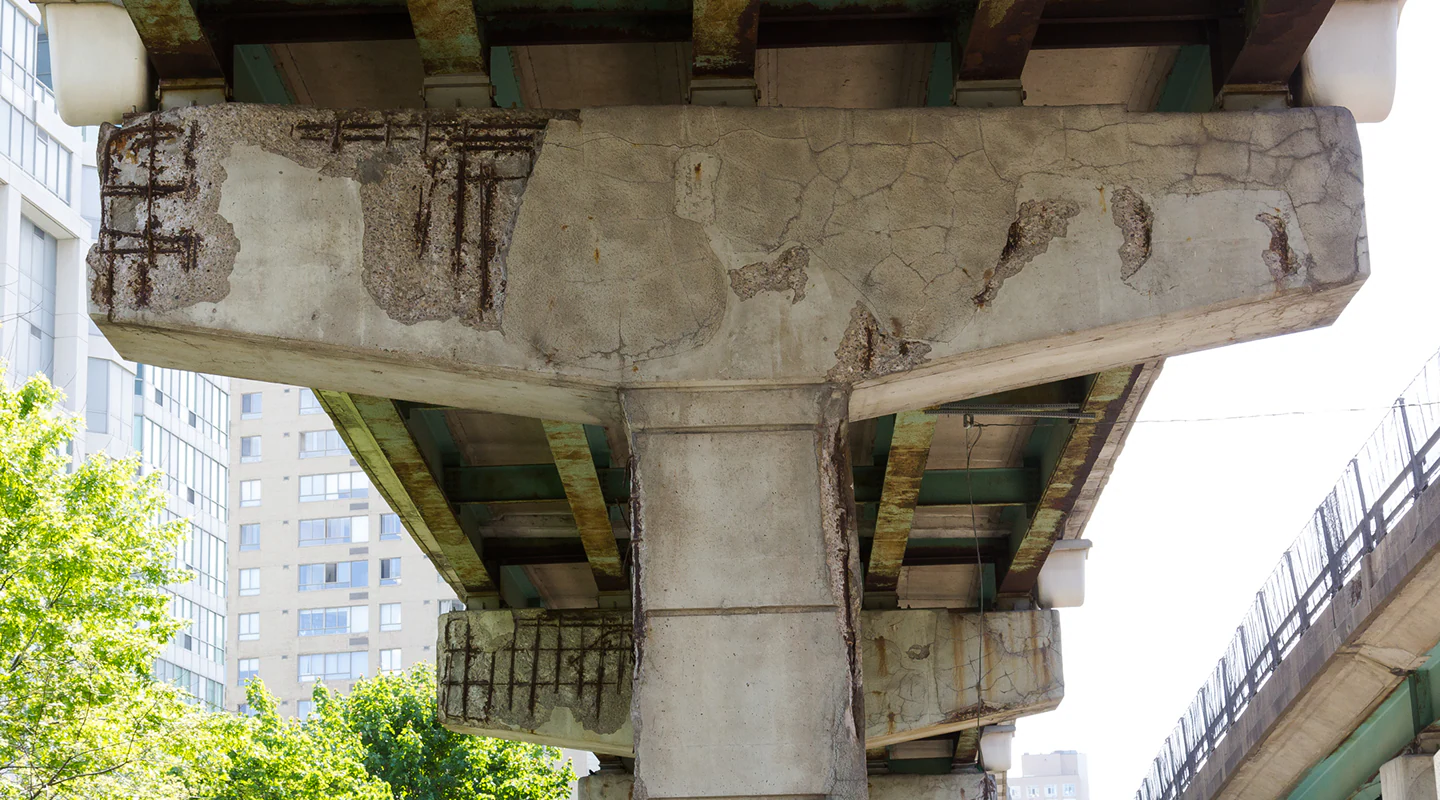
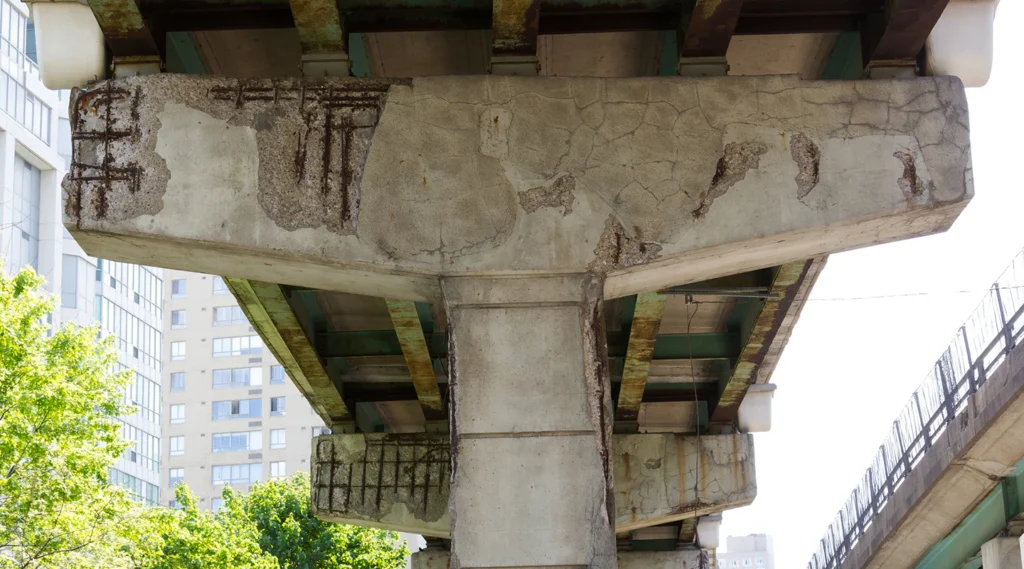
A 40-year-old motorway bridge showing rust streaks under the deck: behind these visible signs of deterioration, the reinforcement bars continue to corrode. The pressure from swollen steel cracks and then bursts the concrete cover, and the progressive loss of cross-section can, over time, compromise the load-bearing capacity. The safety of the structure becomes a matter of urgency for the operator and users.

Operational and traffic disruptions

A port infrastructure or an active motorway viaduct cannot afford repeated closures. Yet conventional repairs do not last: every 5 to 10 years, the repair cycle starts again. Traffic disruption, operational constraints, logistical delays for operators and carriers: over time, the cumulative cost of these interruptions often exceeds that of the works themselves.

Lack of visibility into the condition of the assets

On a motorway network sometimes comprising hundreds of bridges and tunnels, maintenance relies on a detailed knowledge of the condition of each structure. Without consolidated visibility, emergency interventions multiply, budgets become harder to forecast and prioritisation decisions lose their relevance.

Our response

BlueSpine cathodic protection for your engineering structures

Ensuring the availability of facilities

+

BlueSpine equipment is modular. Protection is integrated zone by zone during pre-scheduled maintenance windows without extending the service interruption. Installation and on-site inspection are simplified, while maintenance window schedules are maintained. Reinforcement oxidation stops immediately, and the concrete is gradually decontaminated through chloride extraction and re-alkalization. Production resumes immediately.

Tailoring protection to each environment

+

Every industrial facility requires a customized solution. Our EN ISO 15257-certified experts design the protection system based on the specific corrosion conditions and the aggressiveness of the environment—ranging from galvanic corrosion and imposed currents to the most severe chloride-containing chemical environments. The current is continuously regulated, zone by zone, to ensure compliance with the performance criteria of EN ISO 12696 throughout the entire service life.

Meeting regulatory and ESG requirements

+

Our equipment complies with international standards recognized by regulatory authorities: EN ISO 12696 and EN ISO 15257 in Europe, and AMPP SP0290 / SP0408 and CP1 through CP4 in North America. A system designed by our certified professionals lasts up to 50 years: over its lifecycle, this results in up to 100 times fewer carbon emissions than demolition and reconstruction, and a documented benefit for your CSRD / Scope 3 reports.

Related products

They chose BlueSpine to tackle corrosion on their engineering structures

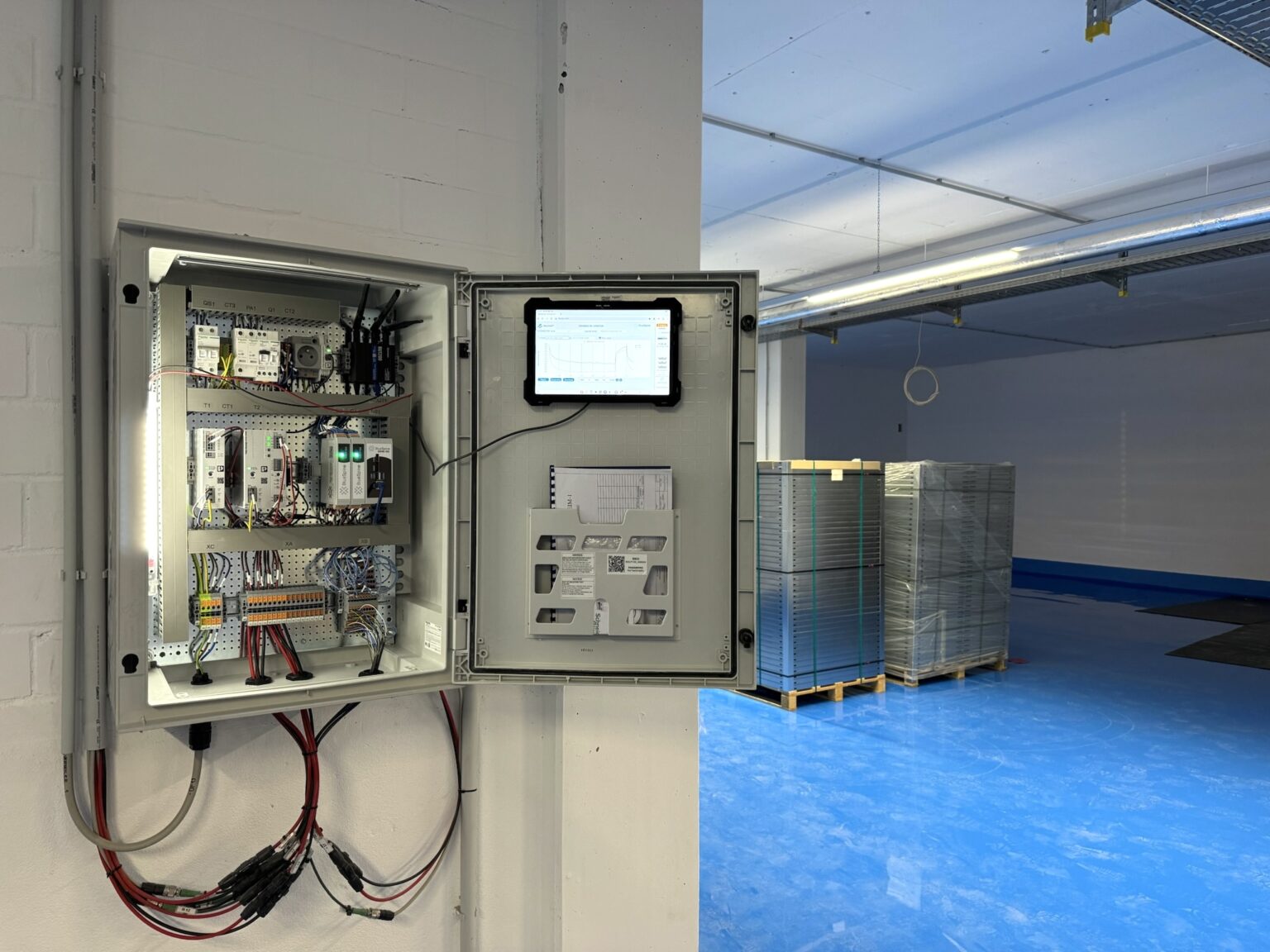
BSCP-100 · Control unit suitable for engineering structures

A unit designed for the most demanding site configurations.
  • Generation and regulation of the protective direct current, adjustable zone by zone
  • Possible power supply via solar panels…
Read more

Centralised management of infrastructure assets

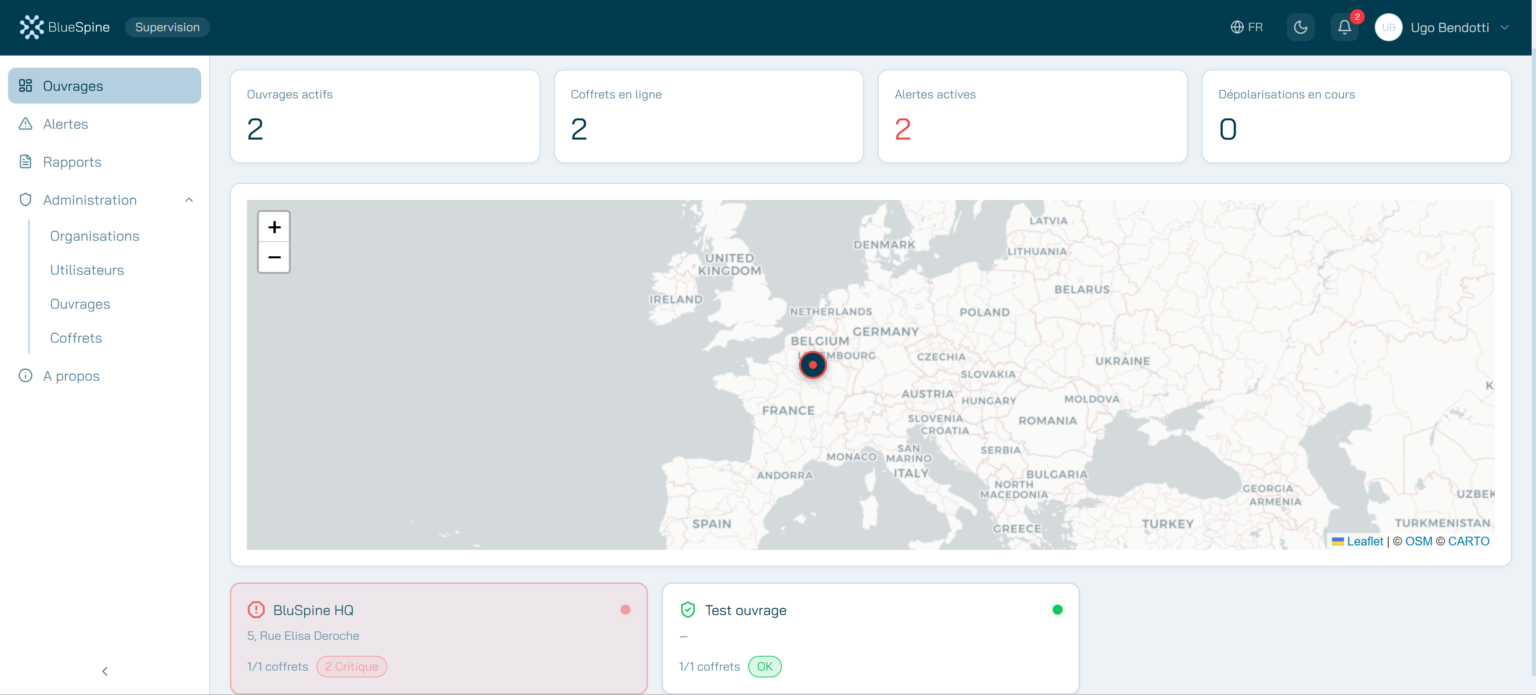
Managing your asset portfolio from a single interface.
  • Remote and real-time monitoring of all equipped structures
  • Consolidated dashboard: performance indicators and alerts
Read more

Forced-current anodes · Suitable for all geometries

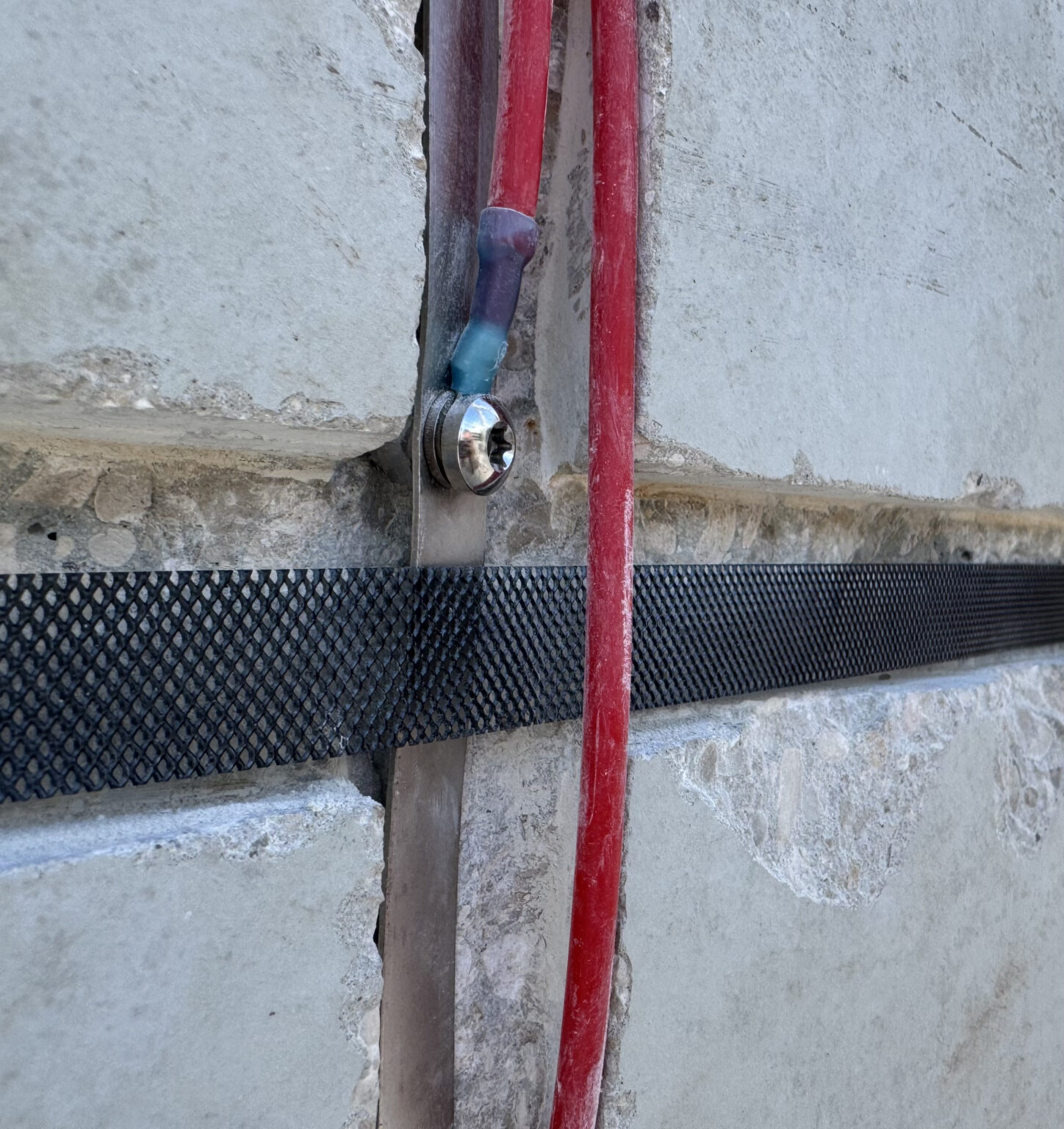
Anodes designed to adapt to all geometries, from the underside of the deck to the concrete pier.
  • Discrete anodes: embedded in boreholes, they protect the reinforcement bars.
  Read more  

Case studies

They chose BlueSpine to address corrosion in their bridges and other engineering structures

What guides us

They chose BlueSpine to tackle corrosion on their engineering structures

Diagnosis

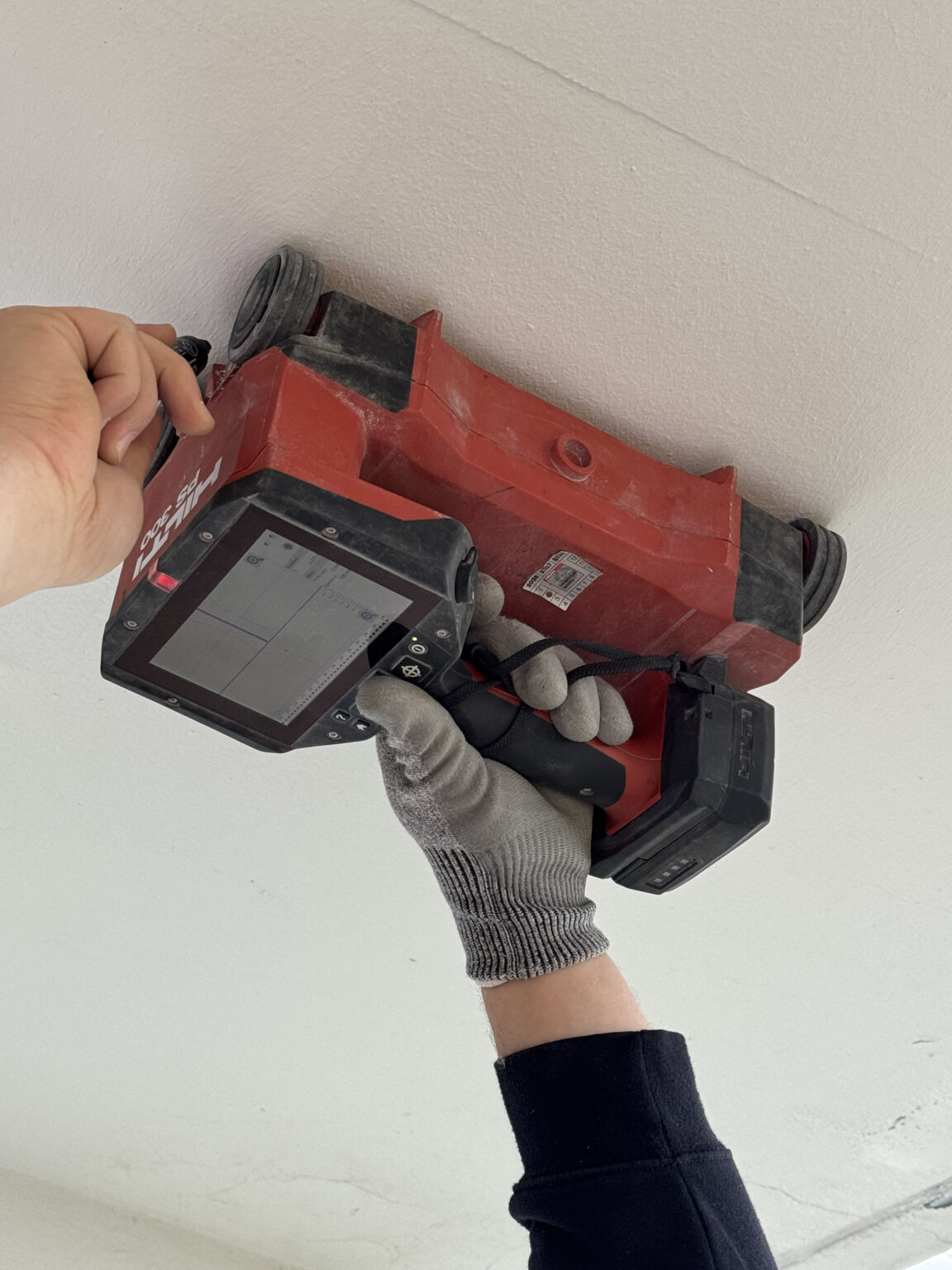
Do you suspect that a structure is deteriorating? BlueSpine’s diagnostic tools enable surveyors and engineering firms to assess the condition of the reinforcement before any damage becomes visible, and to guide your maintenance strategy.

Treatment

A deteriorating structure that needs to be preserved without disrupting traffic? Anodes, control units, monitoring platforms: BlueSpine supplies all the components required for cathodic protection, installed by a certified contractor and integrated into your maintenance programme.

FAQ

Your questions, our answers


Does cathodic protection replace structural reinforcement?
No, these are two different—and often complementary—approaches. Cathodic protection halts the corrosion process affecting the reinforcement, but does not restore any steel cross-section that has already been lost. In the case of a structure with a proven structural deficiency, cathodic protection is combined with structural improvement measures (such as carbon fibre reinforcement or additional prestressing) to address both the structural defect and the structural capacity.
 
Road engineering structures are subject to a tiered monitoring regime (IT 19-1: annual visits, detailed inspections every 6 years). SNCF Réseau structures follow IN 0269. The Neurona platform continuously provides potential and current data, which can be used in monitoring reports and IQOA files. Monitoring of cathodic protection thus complements the existing monitoring system, without replacing it.
 
Impressed current cathodic protection (PCCI) is the most suitable solution whenever concrete is contaminated with chlorides. In harsh marine environments, a galvanic solution would require a huge number of zinc anodes to provide the necessary current: this would mean a great many additional boreholes, and costs would skyrocket. In contrast, impressed current anodes (carbon or titanium MMO) deliver a high, continuously adjustable current, tailored to the actual aggressiveness of the environment.

Let’s talk about your book

Are you facing corrosion-related issues or looking to extend the lifespan of an existing structure? BlueSpine’s experts will help you analyse your situation and identify a solution tailored to your operational and maintenance requirements.

Talk to an expert