Historic monuments

Preserving the authenticity of your reinforced concrete heritage in the face of reinforcement corrosion

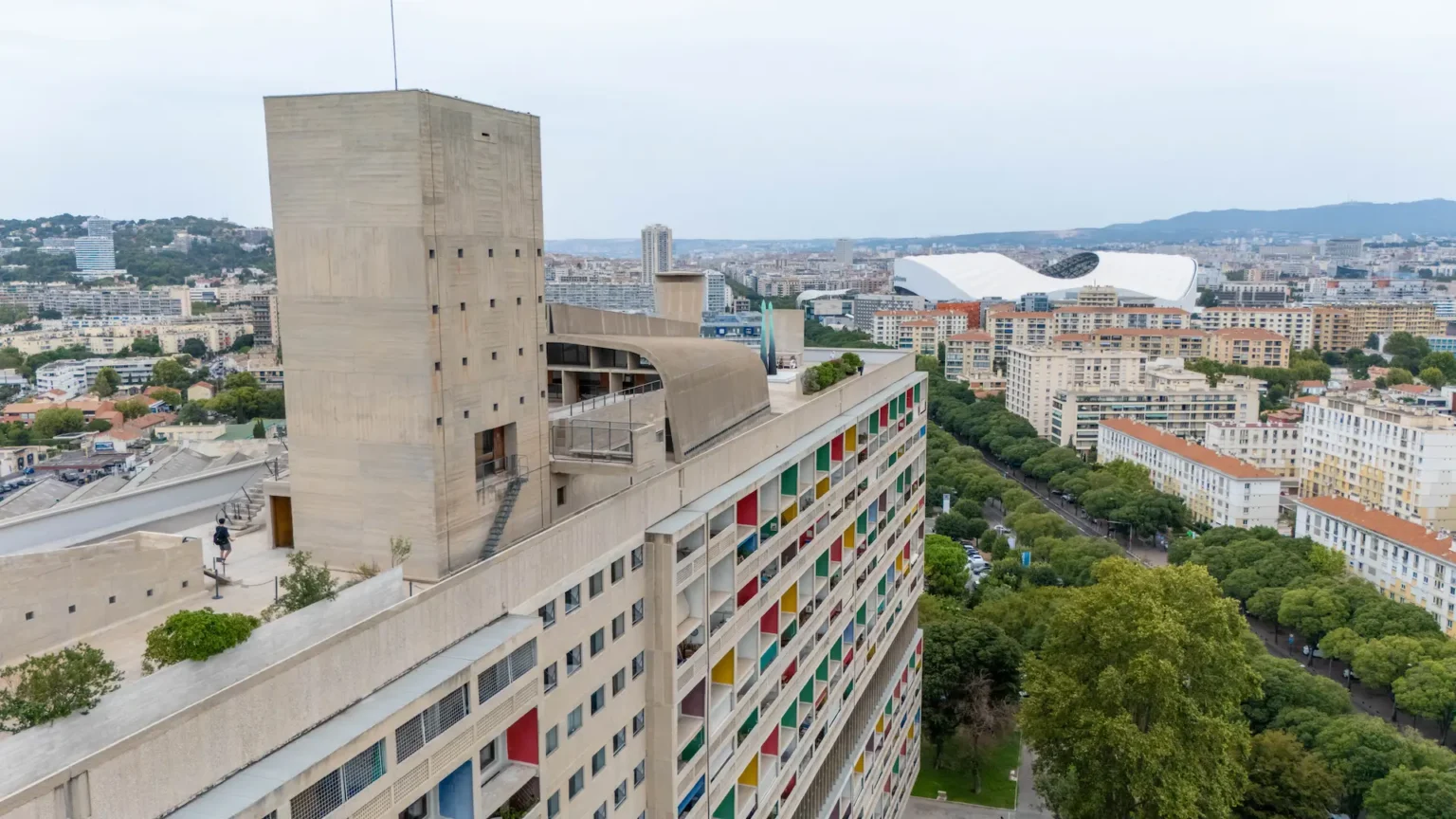
Our heritage of reinforced and prestressed concrete stands as a testament to an era and a level of construction expertise that must be preserved. Under the influence of carbonation, sea spray or de-icing salts, corrosion progresses beneath the concrete surface and ultimately threatens both the stability of the structure and the authenticity of the monument. BlueSpine cathodic protection neutralises corrosion in historic buildings without altering the structure.

 
Listed kiosks
Historic stadiums
Modernist villas
Notable bridges of the 20th century

Corrosion: a threat to the authenticity and longevity of our heritage

ISSUE 01

Deterioration of the original materials

On reinforced concrete monuments, conventional repair techniques for corroded reinforcement (deep concrete removal, steel replacement, mortar reconstruction) irreversibly alter the original materials. Conversely, without intervention, corrosion continues: as the reinforcement swells, it eventually compromises the structural stability.
Read more

ISSUE 02

Damage to the aesthetic appeal and architectural identity

From Le Havre’s post-war city centre rebuilt by Auguste Perret to the imposing Sagrada Família imagined by Antoni Gaudí: the slightest trace of intervention can betray the artist’s architectural signature. Patches of different shades, modifications to volumes or textures—all visual alterations that risk rejection by heritage architects and competent authorities (such as France’s DRAC).
Read more

ISSUE 03

A threat to the transfer of assets

A monument is not like any other asset. It carries a history that must be passed on and welcomes visitors who must be protected. Without treating the cause of corrosion, deterioration returns. Each intervention cycle removes a little more of the original material, undermines access safety, and increases long-term maintenance costs.
Read more

BlueSpine cathodic protection for your historic buildings

Preserving the artwork without altering the original material

La protection cathodique constitue une alternative durable aux purges profondes et aux remplacements d'aciers. Elle agit sur la cause de la corrosion :

  • the oxidation of the reinforcement stops immediately;
  • the original steel components remain in place;
  • Over time, the original concrete is decontaminated through the leaching of chlorides and the re-alkalisation of the steel-concrete interface.
Read more

Tailoring protection to each work

Every monument requires a bespoke protection solution. Our EN ISO 15257-certified experts determine the anodic combination for each structure that minimises the impact: ​

  • a carbon-based surface coating to prevent damage to the original material;
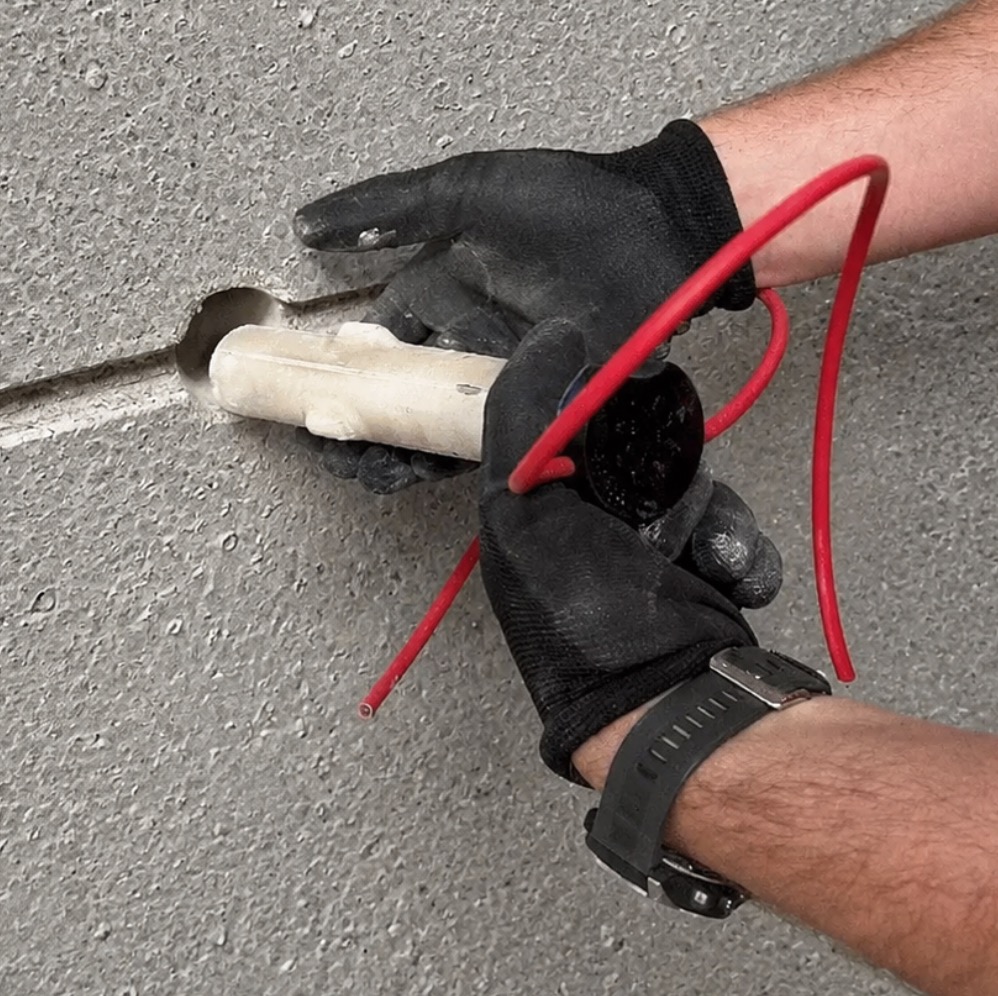
  • discrete anodes in small, inconspicuous boreholes;
  • galvanic anodes to prevent the proliferation of cables.
The decision is made in consultation with all project stakeholders to preserve the artist’s distinctive style.
Read more

Accompagner l'œuvre dans la durée

Une fois l’installation en service, la plateforme de monitoring BlueSpine suit en continu la santé de l’ouvrage. Gestionnaires d’ouvrage et maîtres d’œuvre du projet peuvent en vérifier la pérennité à tout moment. Le monument reste en service, accueille ses usagers en toute sécurité et se transmet sur plusieurs décennies sans cycle d’intervention répété.
Lire plus
1
Diagnostic
2
Étude &
dimensionnement
3
Installation protection
cathodique
4
Suivi et monitoring

They chose BlueSpine to treat corrosion on their historic monuments

Monument historique
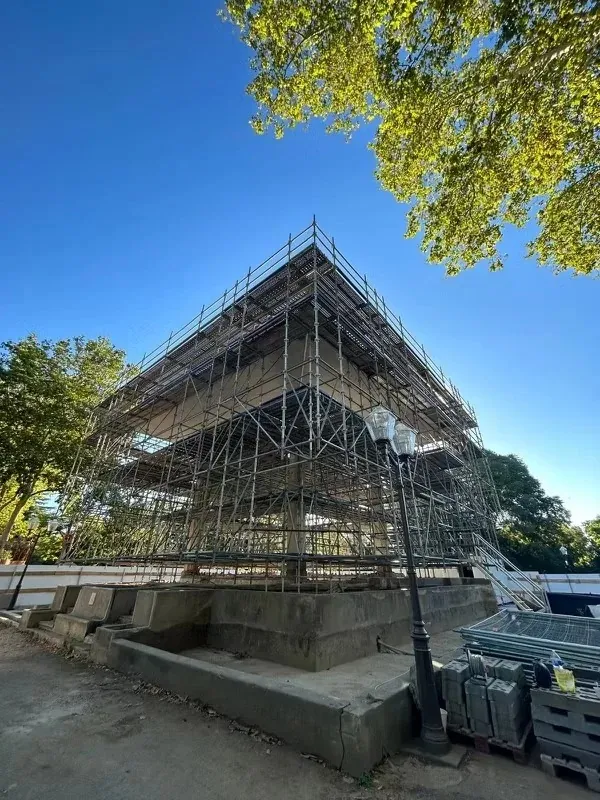
Bosc Kiosk – Montpellier
Key figures
  • ABF approval: solution selected following pilot tests, in consultation with heritage authorities
  • Two different anodic systems deployed on the structure to preserve the materiality
Patrimoine sportif
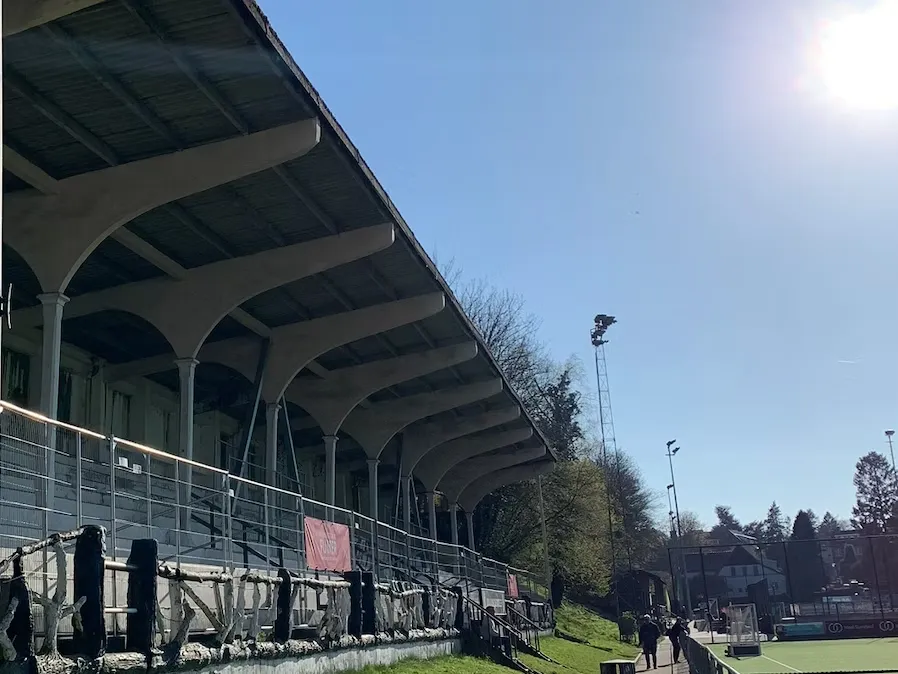
RRCB Opinion Piece – Brussels

Chiffres clés

  • Patrimoine historique et sportif, classé patrimoine immobilier protégé de la Région de Bruxelles-Capitale
  • Intervention discrète : esthétique conservée, lecture architecturale intacte

Technologies that help preserve your historic monuments

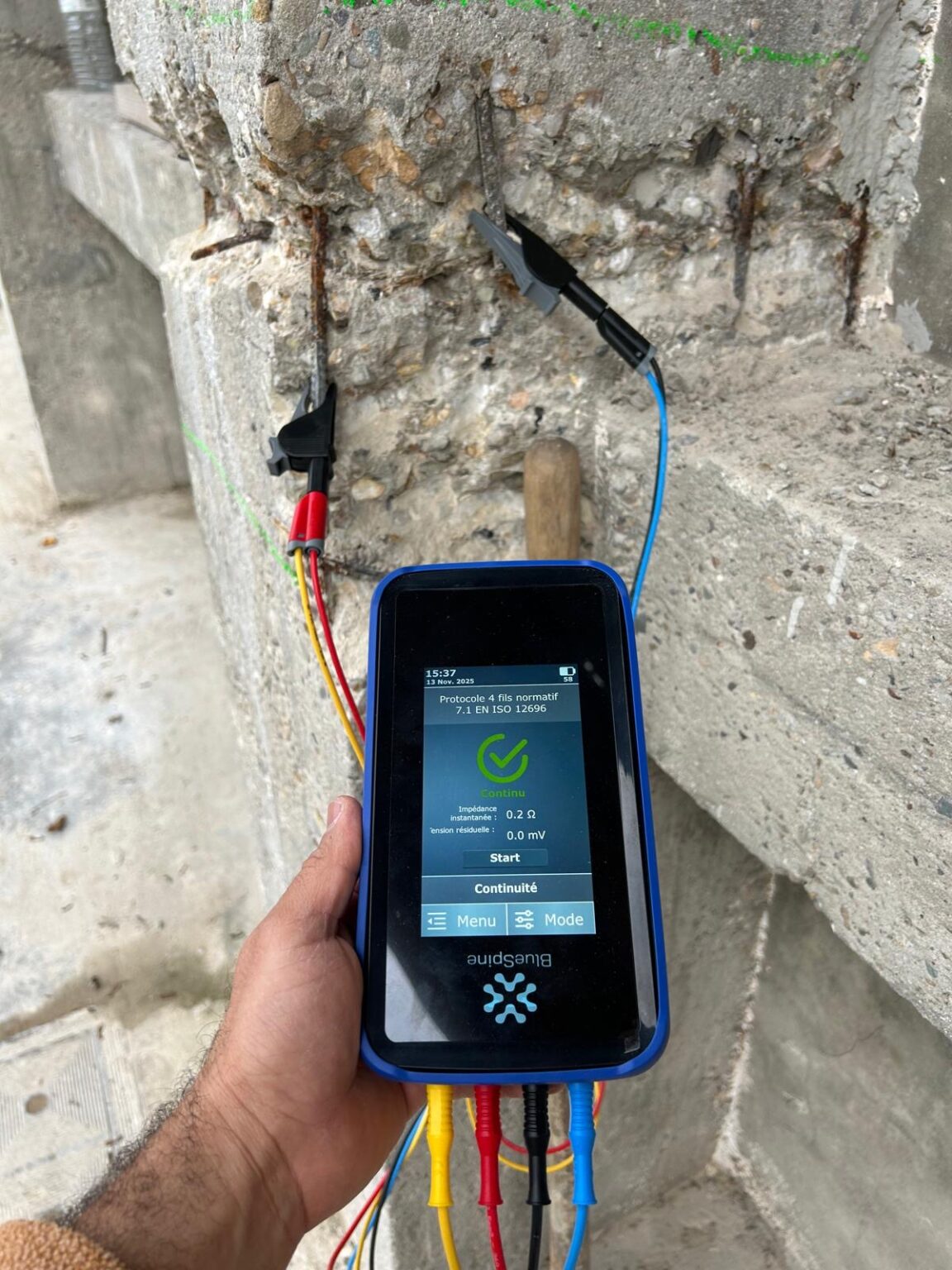
Q-Box · Quality control unit

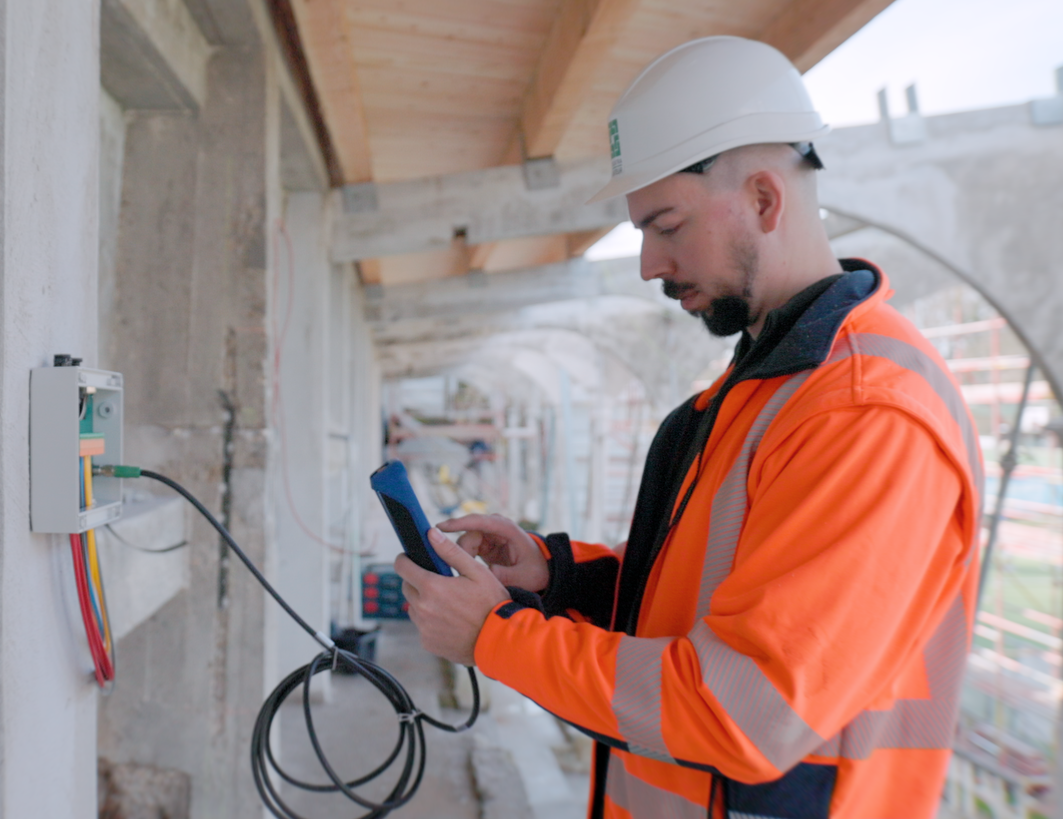
A unit designed for the commissioning and quality control of cathodic protection systems on heritage structures.
Multi-measurement unit for the commissioning and quality control of heritage projects
  • Standard non-destructive measurements to preserve the integrity of the structure
  • Automatically generated quality assurance report…
Read more

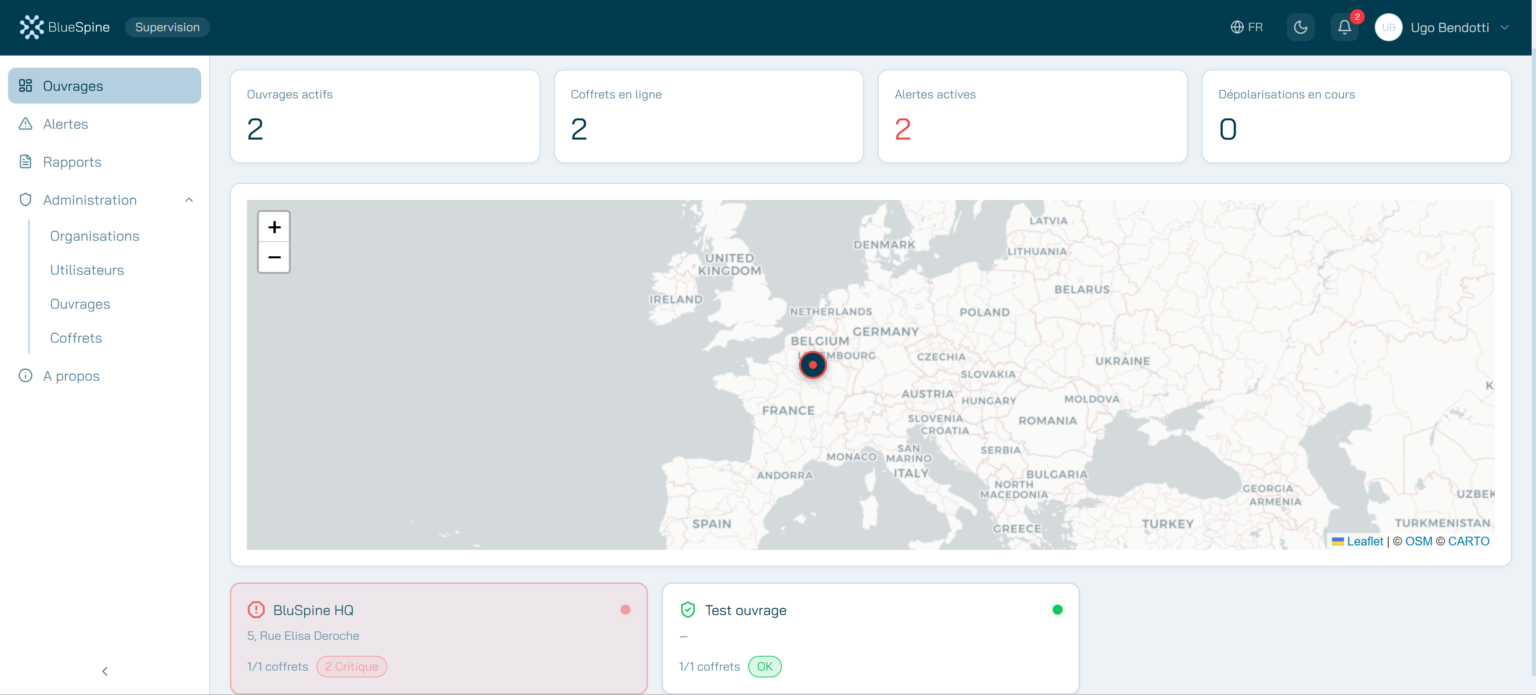
Gestion centralisée de parc d'ouvrages

Remote monitoring that ensures the monument’s long-term preservation
  • Continuous remote monitoring of the condition of the protected structure
  • Sharing of monitoring data between BlueSpine and managers…
Read more

Anodes courant imposé · Adaptées à toutes les géométries

Anodes designed to protect the structure without detracting from the artwork.
  • Conductive carbon paint applied to the surface that protects the structure without damaging the original material
  • Compatible with finishing coatings…
Read more

Does your monument show signs of corrosion?

Diagnosis

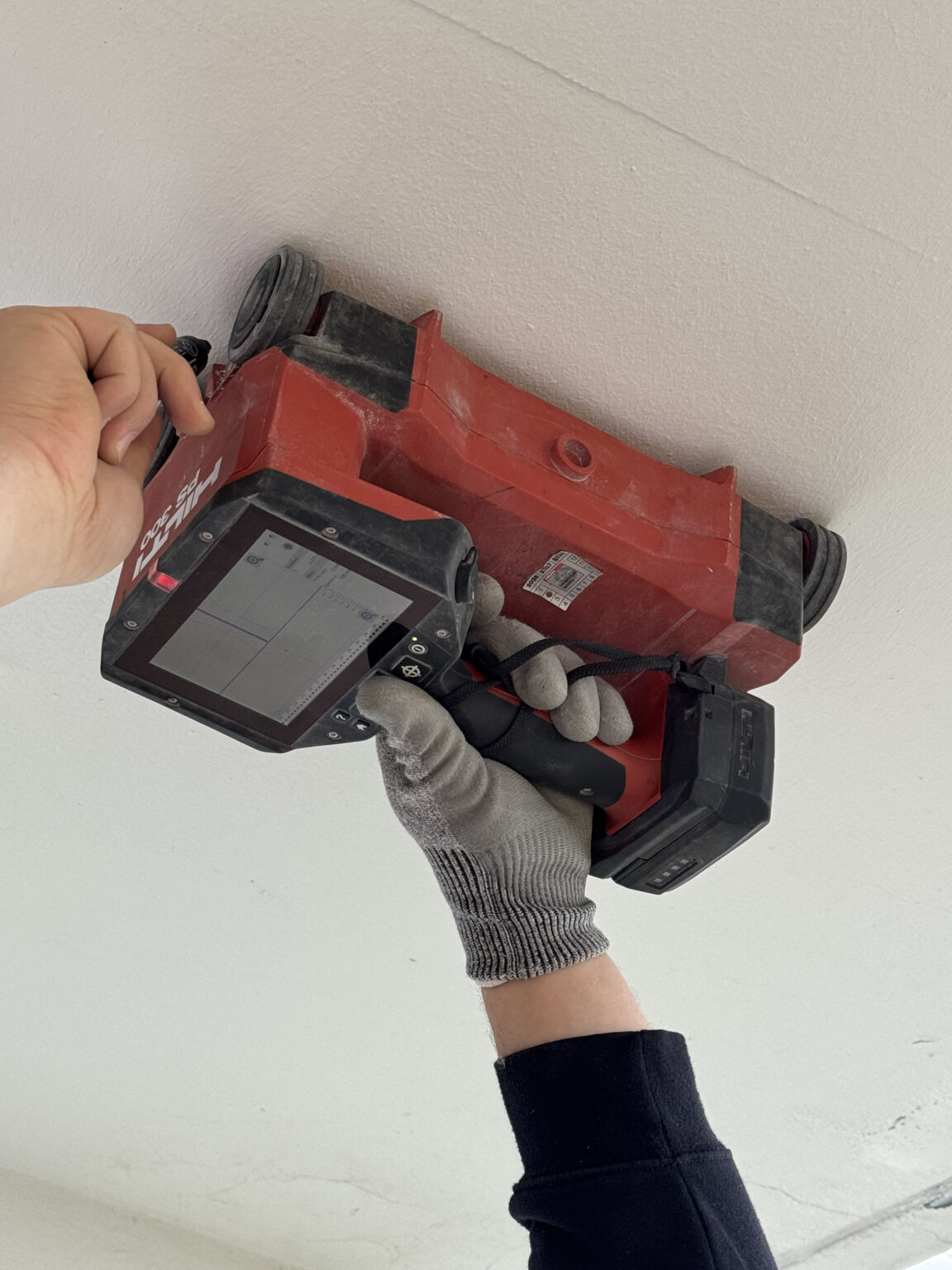
Are you working on a restoration project involving a reinforced concrete structure? BlueSpine’s diagnostic tools enable surveyors and engineering firms to provide a comprehensive analysis of the condition of the reinforcement, using equipment designed to minimise the impact on the structure. Crucial support in the early stages of project definition and the submission of heritage consent applications.

Treatement

Do you need a project supervised by ABF/DRAC? Anodes, control units, monitoring: BlueSpine supplies all the equipment required for discreet and long-lasting cathodic protection, installed by a certified contractor and integrated into your monument’s conservation programme.

FAQ

Your questions, our answers
1. How do you minimise the number of drill holes in the structure?
Our design office designs each installation using finite element analysis to model the flow of current through the structure. This approach allows us to install only the minimum number of anodes necessary to ensure the required protection and to avoid any unnecessary drilling. For a listed structure, this can result in a significant reduction compared to standard empirical design methods.
 
Two factors limit the recurrence of corrosion. Firstly, during operation, the cathodic protection system has removed some of the chlorides from the concrete and re-established the passive layer around the steel. The structure is now in a better condition than it was initially. Secondly, the Neurona monitoring platform alerts operators to any power supply anomaly as soon as it occurs, allowing time to intervene before deterioration resumes. A planned or accidental shutdown does not spell the end for the monument: it can be anticipated and managed.
 
The installation of cathodic protection on a listed building takes place in five stages. The project begins with a non-destructive assessment carried out on site using BlueSpine tools, which enable the corrosion condition to be mapped without drilling or connecting to the reinforcement. The data collected is then used to design the system using finite element analysis, in order to minimise the number of anodes and drill holes. The project is then coordinated with heritage architects and the relevant authorities before the work is carried out by a certified contractor under BlueSpine supervision. Finally, the system is commissioned and tested using the Q-Box, then monitored over time via the Neurona monitoring platform.
 

Let’s talk about your monument

Whether it is a listed kiosk, a modernist villa, a historic stadium or a notable 20th-century building, BlueSpine’s experts will assist you in analysing corrosion and devising a conservation strategy tailored to the specific requirements of your heritage project.

Talk to an expert